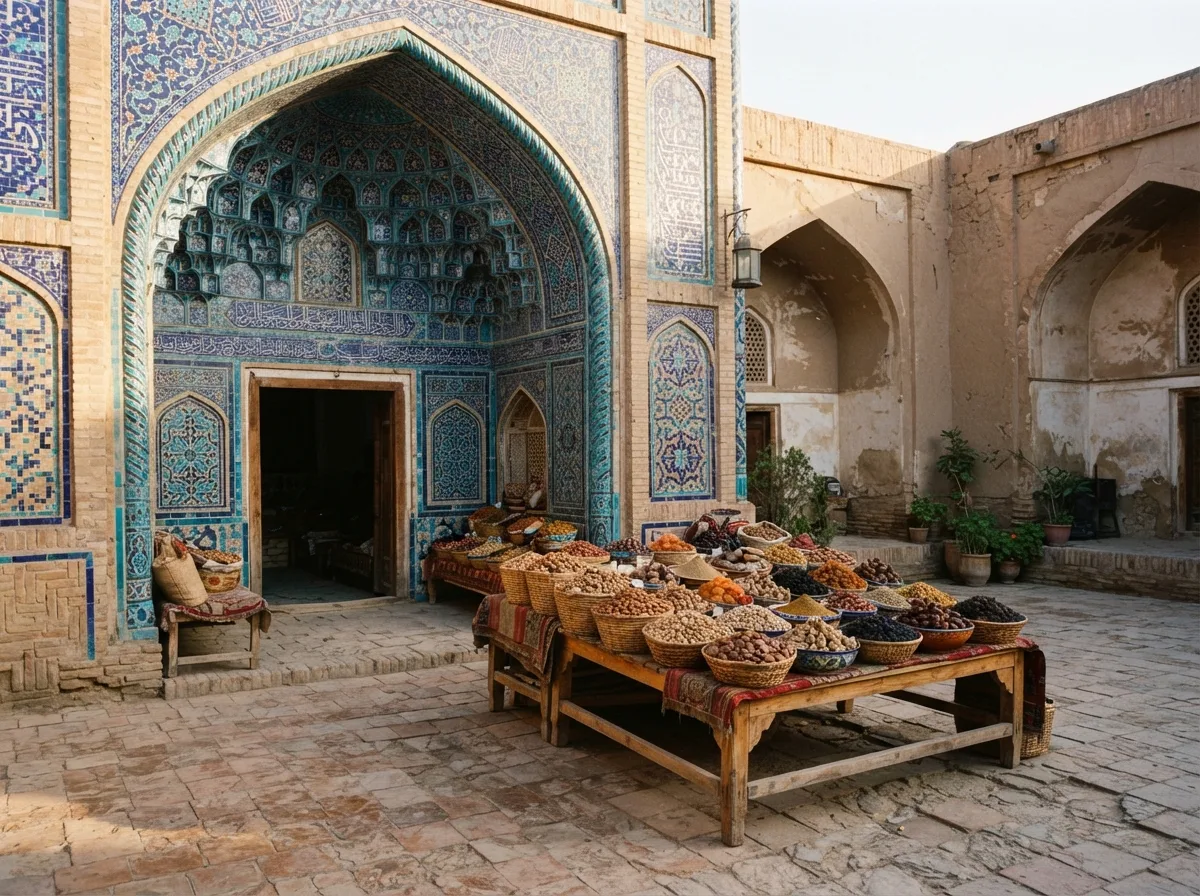
Uzbekistan is opening to tourism and trade, and the country of Samarkand, Bukhara and Khiva now welcomes visitors, students and investors from many parts of the world. Uzbek is the main language, spoken by tens of millions of people in Central Asia and by diaspora communities in Russia, Turkey, Kazakhstan, the United States and Europe. One feature makes translation especially tricky: Uzbek has been written in Cyrillic and in Latin script, and documents from different decades may use either, sometimes with differing spelling rules. A translator who is not aware of this can misread names, places and dates. Reliable Uzbek translation depends on a native linguist who knows both scripts, a consistent system for names and a clear statement of how the translation will be used. This article covers the main cases for travellers, families and companies.
Documents commonly translated
Requests include birth, marriage and divorce certificates, passports and school diplomas, police certificates, employment records and company registration papers. Businesses also need contracts, customs papers and product sheets. Clients who search for Uzbek to English translation should send complete scans, say which office will receive the translation and mention whether the original is in Cyrillic or Latin script.
Two scripts, one language
Soviet era records are usually written in Cyrillic, often with Russian text next to the Uzbek, while newer documents use the Latin alphabet adopted after independence. Names may appear in several spellings, for example Muhammad in one record and Mukhammad in another. Choose the passport spelling for personal papers, keep it identical across the file and add the original form in brackets so that officers can match records across decades.
Travel, tourism and hospitality
Tour operators, hotels and guides translate itineraries, safety notes and menus. Local names of dishes, monuments and routes should be kept in Uzbek form, with a short English explanation. Our article on immigration translation shows how documents are prepared for visas and residence, which helps travellers who plan longer stays or study abroad.
Business, trade and customs
Companies that export dried fruit, cotton or textiles need invoices, certificates of origin and quality papers in clear language. Contracts and customs declarations must keep numbers and product names exact. Give the translator a glossary of product and legal terms, and ask for the same wording in every document.
Certification and official use
Uzbekistan joined the apostille convention, which simplifies the legalisation of public records. Confirm with the receiving office whether it needs a certified translation, an apostille or both, and ask about the format of the certified copy. Plan extra days for the process when deadlines are tight.
Students and exchange programmes
Students need diplomas, transcripts and language certificates for universities abroad. Keep original course and degree titles, add a short note on the grading scale and ask whether the university wants the translation sent directly. Plan well before application deadlines.
Migrant workers and family records
Many Uzbek citizens work abroad and need work records, medical certificates and civil documents. Order translations in one batch so that names and dates stay consistent, and keep several certified copies for later offices and employers.
Medical and insurance texts
Medical certificates, vaccination records and insurance policies need accurate terms and units. Provide the full document, and ask a reviewer with medical knowledge to check the final text when it will be used for treatment, a visa or a claim.
Legal and court documents
Powers of attorney, court judgments and notarial deeds use precise terms. A translator with legal experience can keep the structure and mark unclear parts. Check the validity period of each paper, since many offices accept only recent issues.
Websites, apps and marketing
Online content should use natural wording in the script the audience prefers. Plan for text expansion, test menus and buttons in context and ask a native speaker to review the pages. Keep brand names and prices in a consistent format.
Interpreting for meetings and delegations
Uzbek interpreters support trade delegations, medical visits and hearings. Share the agenda, names and key terms in advance, and decide whether consecutive or simultaneous interpreting fits the event. A short briefing helps with names of places and companies.
Machine translation and its limits
Machine tools handle Uzbek unevenly, especially across scripts and in names. Use them only for a rough idea of the content, and never for official documents. Ask a native reviewer to check anything that will be published or submitted.
Preparing files and planning time
Send colour scans, mention the purpose and list names as shown in passports. Because few translators work in this pair, book early and agree on delivery dates. A clear quote and a short glossary help you plan budget and keep later projects consistent.
Where to read more
For a neutral overview of the language and its writing systems, see the Wikipedia article on the Uzbek language, which describes grammar, dialects and scripts.